

Abia emerges third among Nigeria’s fastest improving states
By Ogbonnaya Ikokwu
Around the world, governments are increasingly being judged not only by the size of their economies but by how quickly they improve the quality of life of their citizens.
From Singapore’s evidence driven public administration and Estonia’s digital governance revolution to Rwanda’s public sector reforms and Morocco’s infrastructure expansion, measurable progress has become the defining benchmark of modern leadership.
International institutions, policy think tanks and investment analysts now place growing emphasis on performance indicators that track governance, institutional effectiveness, infrastructure, education, healthcare, economic competitiveness and the pace of reform rather than political rhetoric.
This global shift has intensified competition among subnational governments, with states, provinces and regions increasingly evaluated on their capacity to deliver sustained improvements that attract investment, create jobs and expand opportunities for citizens.
That evolving global standard provides the backdrop to the latest assessment of Nigeria’s development landscape, where Abia State has been identified as one of the country’s fastest improving states.
According to the 2026 Philips Consulting State Performance Index Momentum Index, Abia ranked third nationally with a positive momentum score of +0.67, behind only Enugu State, which recorded +1.15, and Jigawa State with +0.77.
The assessment placed Abia ahead of Osun, Kano, Gombe, Akwa Ibom, Ogun, Lagos, Imo, Anambra and several other states among the 33 states reviewed during the assessment period.
The Momentum Index measures the rate at which states improve relative to the national average, with positive scores indicating faster than average progress and negative scores reflecting comparatively slower advancement.
Development economists have long argued that momentum indicators provide an important perspective because they assess the trajectory of change rather than historical advantages. Similar approaches are employed globally in competitiveness and governance assessments produced by respected organisations, where the speed of improvement is often regarded as an early signal of institutional reforms, policy consistency and future economic potential.
Such measurements are increasingly monitored by investors, development partners and financial institutions seeking jurisdictions capable of sustaining long term growth through stable governance and accountable public administration.
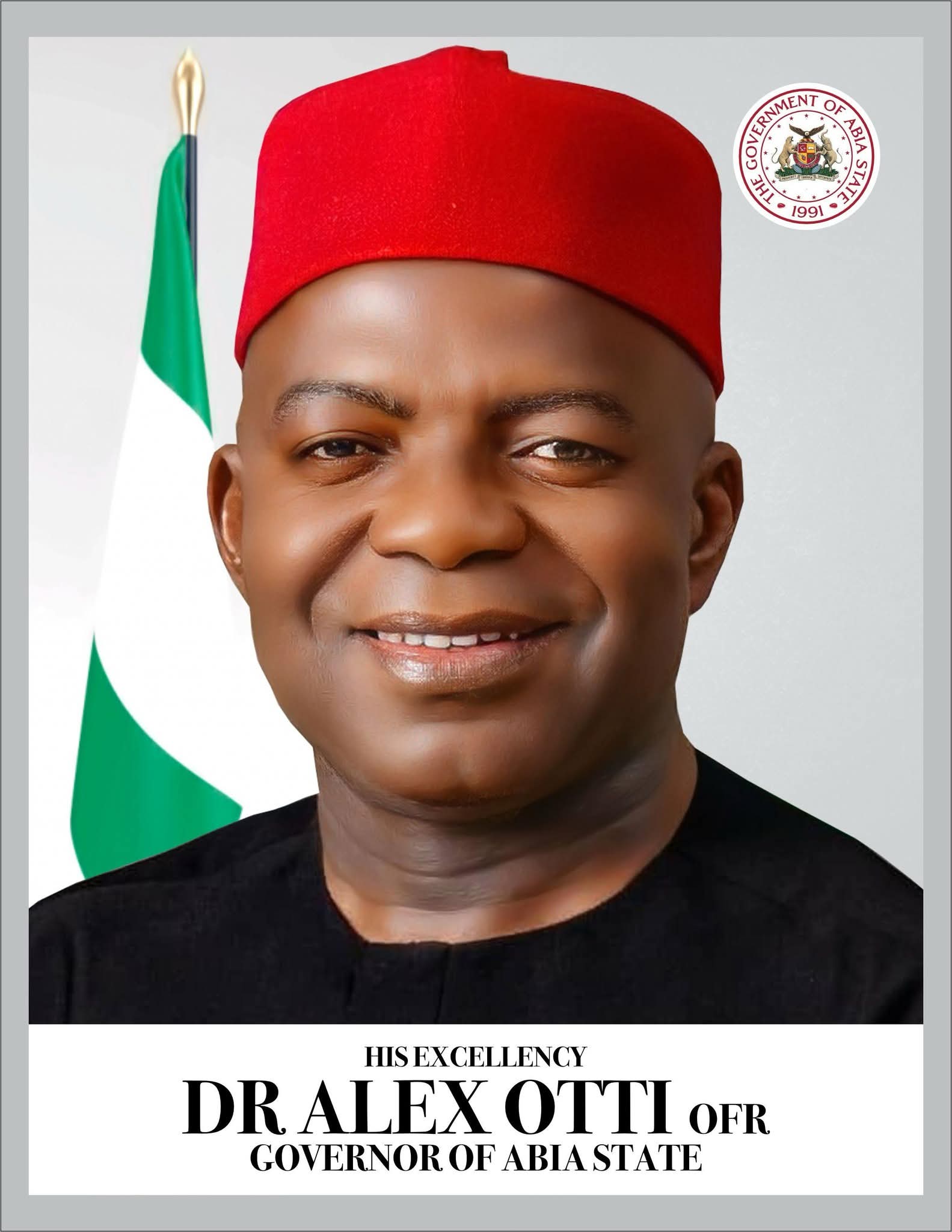
Reacting to the latest ranking, the Abia State Government described the outcome as an independent affirmation of the reforms being implemented under Governor Alex Otti.
In a statement signed by the Commissioner for Information, Prince Okey Kanu, the government said the state’s performance demonstrated that ongoing investments and policy reforms were producing measurable and nationally recognised outcomes.
According to the government, the improvements have been driven by strategic investments across critical sectors, including road infrastructure, education, healthcare, digital innovation, agriculture, public sector reforms, security and economic development. It also highlighted the reconstruction of major road networks, the establishment of Smart Schools, reforms in governance and revenue administration, industrial revitalisation, youth empowerment initiatives and investment promotion efforts as major contributors to the state’s improved performance.
The statement further maintained that the ranking reflected growing confidence in Abia’s governance model, which it said prioritises transparency, accountability, prudent resource management and people centred public service delivery. It added that the administration remained committed to consolidating ongoing reforms while accelerating programmes aimed at improving living standards across the state.
Public policy analysts note that sustained recognition in performance assessments ultimately depends on whether reforms translate into lasting improvements in measurable outcomes such as employment generation, educational attainment, healthcare delivery, business competitiveness, internally generated revenue, infrastructure quality and poverty reduction.
Across successful reforming economies worldwide, independent assessments have shown that durable progress is achieved when institutional reforms are maintained consistently across successive years and accompanied by strong citizen participation, transparent governance and effective monitoring systems.
For Abia, the latest Philips Consulting ranking places the state among Nigeria’s most closely watched reforming jurisdictions. Whether this momentum evolves into long term transformational development will depend on the continuity of reforms, institutional resilience and the ability of government, the private sector and citizens to sustain the pace of progress in an increasingly competitive national and global environment.