
Unlocking Abia North’s Economic Future: Bourdex Unveils Masterplan For Modern Markets, Agro-Processing & Job Creation

Unlocking Abia North’s Economic Future: Bourdex Unveils Masterplan For Modern Markets, Agro-Processing & Job Creation
WATCH VIDEO 👇👇👇
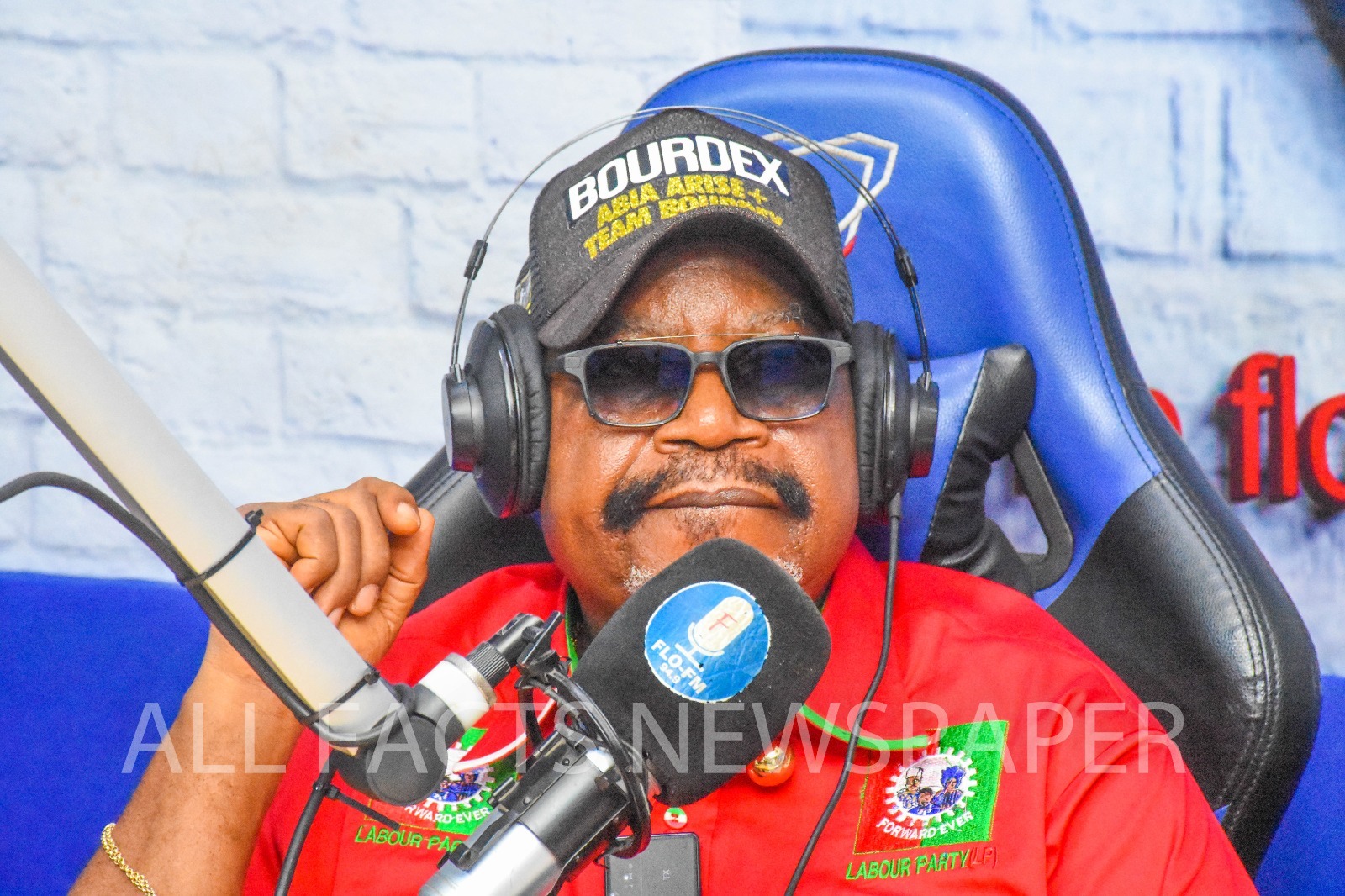
As the 2027 general elections draw closer, economic development and grassroots empowerment have taken center stage in the vision of the Labour Party senatorial candidate for Abia North, Chief Dr. David Ogba Onuoha Bourdex.
Speaking during an extensive economic policy session on Bourdex Hour, Chief Bourdex dissected the untapped commercial potential of markets across the senatorial district, presenting a compelling blueprint that shifts the focus of markets from mere trading posts to robust economic development hubs.
Addressing the structural realities of commerce across the five local government areas—Arochukwu, Bende, Isuikwuato, Ohafia, and Umunneochi—Bourdex emphasized that sustainable regional prosperity depends on building a complete agricultural and commercial value chain rather than leaving farmers and traders at the mercy of subsistence trading.
Transforming Markets Into Industrial Value Chains
Highlighting the limitations of traditional trading, Bourdex explained that a truly functional market must serve as an intersection where production, processing, packaging, and consumption converge.
Using agriculture as a prime example, he noted that a farmer harvesting cassava should not be compelled to sell raw produce immediately at a loss due to lack of storage. By integrating localized agro-processing facilities, cold storage systems, and reliable electricity into modern market networks, raw produce can be converted into high-value products like flour, starch, and packaged goods, creating numerous downstream jobs for youth and artisans.
“A market is much more than a collection of shops and traders. It is where production meets consumption, where manufacturers meet distributors, and where money circulates within the local economy,” Bourdex stated. “We must build local capacity so that our people are not just producing raw materials while others capture most of the economic value.”
Peculiar Solutions For Five Local Government Areas
Addressing regional planning, Bourdex warned against a one-size-fits-all approach to infrastructure. He noted that each local government area possesses distinct economic strengths:
Arochukwu & Bende: Prime agricultural production and strategic sites for agro-logistic hubs like the proposed facilities in Obinto and Uzuakole under rural access initiatives.
Isuikwuato: Strategic educational institutions and commercial services supporting specialized market corridors.
Umunneochi: High-potential trading corridors such as the Kato Market area, requiring careful feasibility studies and sustainable planning.
Abiriba / Ohafia: Tapping into renowned indigenous entrepreneurial spirit and connecting traditional commercial heritage with modern infrastructure and investment.
Protecting Traders’ Rights And Lowering Operating Costs
Turning to the challenges confronting everyday traders—such as flooding, poor drainage, insecurity, and multiple taxation—Bourdex advocated for transparent modernization policies that protect existing shop owners rather than dispossessing them. Drawing inspiration from Governor Alex Otti’s transparent remodelling of the Ariaria International Market in Aba, he stressed that public-private partnerships and proper facility management must safeguard traders’ investments.
Furthermore, he called for simplified revenue collection systems and reliable power solutions to ease the burden of soaring operational costs driven by generator dependence and multiple levies.